
Remote-IT Remote and hybrid work for thriving cities
PROJECT DURATION: 01/06/2023 31/12/2025
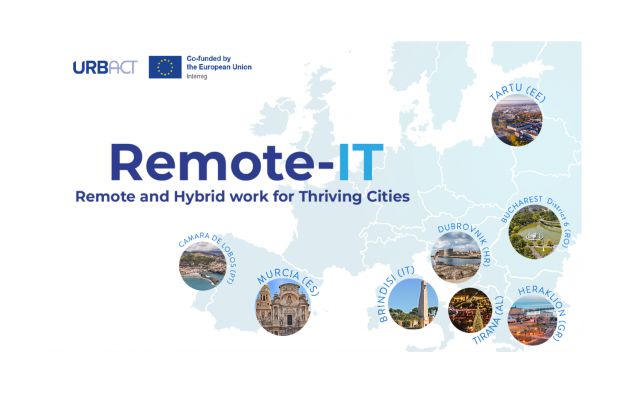
Partners
Lead Partner : Dubrovnik Development Agency – Croatia-
Brindisi – Italy
-
Bucharest 6th district – Romania
-
Câmara de Lobos – Portugal
-
Heraklion – Greece
-
Murcia – Spain
-
Tartu – Estonia
-
Tirana – Albania
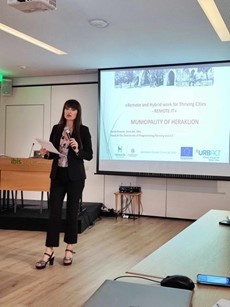
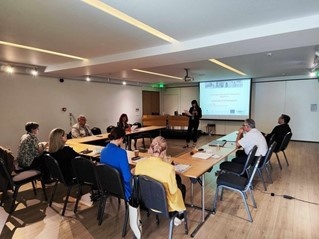
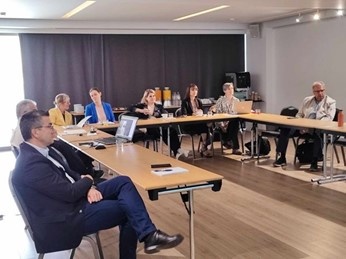
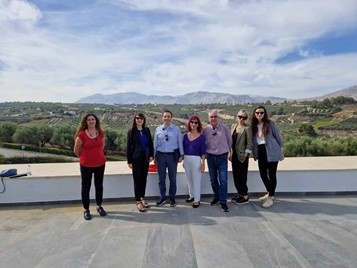
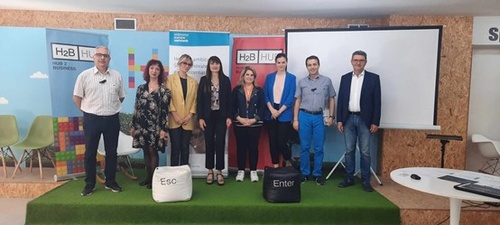
Ολοκληρώθηκε με επιτυχία το διήμερο εργαστήριο για το έργο με τίτλο «Απομακρυσμένη και Υβριδική Εργασία για Ακμάζουσες Πόλεις» με το ακρωνύμιο «REMOTE IT» στο πλαίσιο του ευρύτερου ευρωπαϊκού προγράμματος URBACT IV. Στη συνάντηση συμμετείχαν η επικεφαλής εμπειρογνώμονας του URBACT, Anamaria Vrabie, η συντονίστρια Natasa Miric και η υπεύθυνη επικοινωνίας Barbara Damić από τον επικεφαλής εταίρο στο Ντουμπρόβνικ, μέλη της ομάδας έργου του Δήμου Ηρακλείου, η υπεύθυνη έργου, Διευθύντρια Οργάνωσης, Προγραμματισμού και Πληροφορικής του Δήμου Ηρακλείου κα Ζαχαρένια Δρόσου, ο αναπληρωτής
head of the European Programs department Mr. Panagiotis Tsakmopoulos, and the coordinator of the local Urbact team (ULG), , President of the Department of Business Administration and Tourism at the Hellenic Mediterranean University, Professor Markos Kourgiantakis.
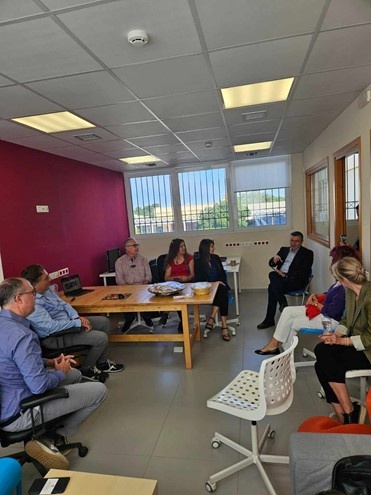
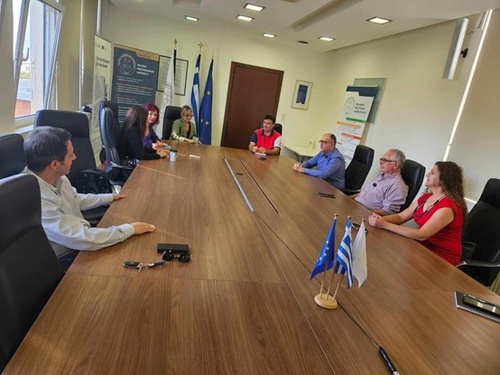
The program is implemented by the Programming,Planning and ICT Department of the Municipality of Heraklion, in collaboration with the European Programs Department. During the two-day meeting, site visits were conducted to the Hellenic Mediterranean University – Innovation Hub, the Institute of Technology and Education, the Heraklion Cultural Center, and the Heraklion Chamber of Commerce Hub, as venues for hosting scientists and organizations from abroad and spaces that could be described as “collaboration spaces.”
This project, with the acronym “Remote-IT,” will study the new challenges facing cities in relation to the future of work and the new form of tourism for digital nomads.
The COVID-19 pandemic has accelerated the transformation of how work is organized, with hybrid and remote working models having a significant impact on citizens’ lives, as well as on the organizational culture of companies and large employers.
The Remote-IT project aims to create a diverse collaboration of cities in order to jointly study the multiple aspects of this emerging issue with hybrid and remote working models.